



DAO-Managed Casinos: Exploring Innovative Governance Models
As the world of online gaming evolves, the concept of decentralized autonomous organizations (DAOs) has emerged as a revolutionary approach to governance, particularly in the realm of casinos. DAO-managed casinos, leveraging blockchain technology and smart contracts, present a new paradigm in which players not only participate in gaming but also have a significant say in the operational management of the casino. DAO-Managed Casinos: Governance Models in 2026 Bitfortune. com serves as a prime example of how this innovative model can reshape the gambling experience, enabling governance that is transparent, democratic, and equitable.
Understanding DAO
A DAO is an organizational structure that operates through smart contracts on a blockchain. It is designed to be run by its members, rather than by centralized management. Members typically hold tokens that confer voting rights, allowing them to participate in crucial decisions regarding the organization’s operations, development, and future direction.
The Rise of DAO-Managed Casinos
The advent of cryptocurrency and blockchain has spurred the development of DAO-managed casinos, allowing players to engage not only as users but also as stakeholders. In traditional casinos, player feedback and engagement often go unheard, leading to dissatisfaction and potential mistrust. In contrast, DAO-managed casinos aim to empower players, enabling them to have a direct influence on game offerings, revenue distribution, and overall governance.
Governance Models in DAO-Managed Casinos
1. Token-Based Voting Systems
One of the most common governance models used in DAO-managed casinos is the token-based voting system. In this model, players are issued tokens that grant them voting power. The number of tokens a player holds directly corresponds to their influence over decision-making processes. For instance, players might vote on which new games to introduce, how to allocate profits, and which charitable causes to support. This system incentivizes players to remain engaged, as the casino’s success directly impacts their rewards.

2. Staking Mechanisms
Staking mechanisms add another layer to the governance process. Players can stake their tokens to propose new initiatives or changes within the casino ecosystem. The proposals can range from modifying the house edge on certain games to creating entirely new game formats. Staking serves not only as a governance tool but also helps align the interests of the players with the casino, as staked tokens can be lost if a proposal fails. This creates a filter for quality proposals, ensuring that only the most viable ideas advance.
3. Profit Sharing
Many DAO-managed casinos implement profit-sharing arrangements to further align incentives. Since players can vote on operational decisions, they are also stakeholders in the profits generated by the casino. A portion of the earnings may be distributed back to token holders, thereby rewarding active participation and fostering a community-oriented atmosphere. This model contrasts sharply with the traditional casino model, where profits predominantly benefit shareholders and established management.
Levels of Decentralization
The degree of decentralization can vary among different DAO-managed casinos. Some may adopt a fully decentralized model where every decision is made by player consensus, while others might retain some centralized elements for efficiency or regulatory compliance. Striking the right balance is crucial, as too much centralization can erode player trust, while too much decentralization can lead to inefficiencies in decision-making.
The Role of Smart Contracts
Smart contracts are a crucial technological component of DAO-managed casinos. They automate various processes, including game payouts, token distribution, and the governance voting system itself. By leveraging smart contracts, these casinos can ensure transparency and security, reducing the risk of manipulation or fraud that often plagues traditional gaming establishments.
Engagement and Community Building
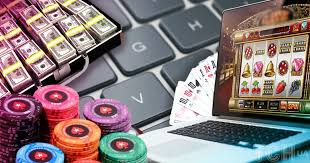
In DAO-managed casinos, player engagement is not merely an afterthought; it is central to the operational ethos. Engaging the community fosters a sense of belonging and accountability. Players can form sub-communities around specific games or initiatives, further enriching the overall experience. Community engagement can take many forms, from forums and social media activities to in-casino events and tournaments.
Challenges Faced by DAO-Managed Casinos
Regulatory Hurdles
While DAO-managed casinos offer numerous advantages, they are not without challenges. Regulatory uncertainty remains a significant hurdle, as many jurisdictions grapple with how to categorize and regulate decentralized organizations. Navigating these regulations is crucial for the longevity and legitimacy of these casinos.
Technical Risks
Since DAO-managed casinos rely on blockchain technology and smart contracts, they are susceptible to technical risks, including bugs in the code or vulnerabilities to hacking. Ensuring robust security protocols and regular audits becomes paramount to maintain player trust and operational integrity.
The Future of DAO-Managed Casinos
The future of DAO-managed casinos looks promising, particularly as interest in blockchain technology continues to grow. As more players become familiar with cryptocurrencies and decentralized finance (DeFi), the potential for DAO-managed casinos to capture a significant market share expands. Moreover, advancements in blockchain technology and regulatory frameworks will likely provide more avenues for innovation and adoption.
Conclusion
DAO-managed casinos represent a transformative shift in how gaming establishments operate and engage with their players. By embracing innovative governance models, these casinos empower players to have a stake in decision-making processes and create a community-centric environment that traditional casinos struggle to achieve. As these systems evolve, the prospects for greater transparency, fairness, and player involvement in the gaming industry are limitless.
Deixe um comentário