



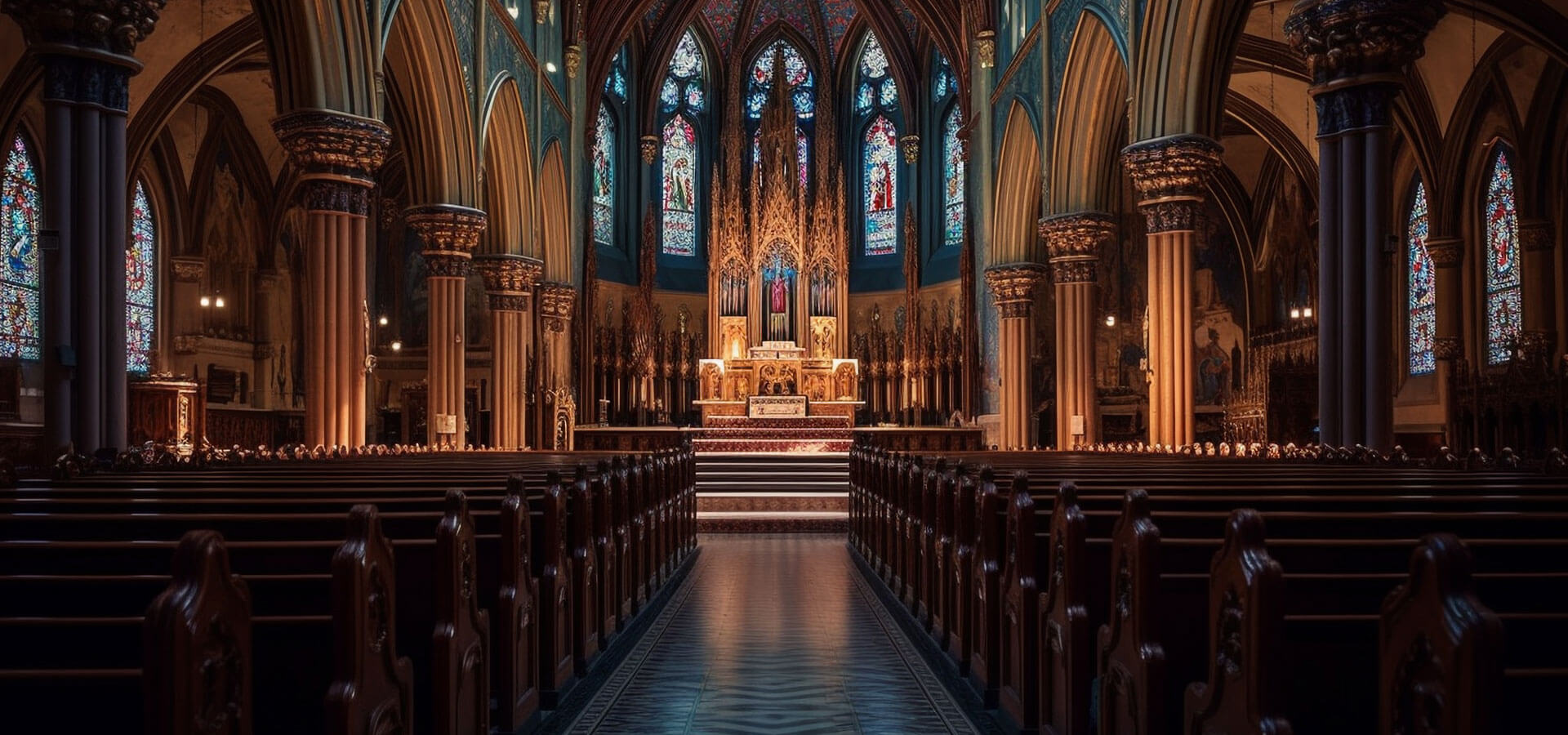
Cultural perspectives on gambling how society shapes our views
Historical Context of Gambling
Throughout history, gambling has played a significant role in various cultures, often reflecting societal values and norms. In ancient civilizations, such as those in Mesopotamia and China, gambling was associated with rituals and entertainment, serving as a means to connect with the divine or celebrate significant events. These early forms of gambling established a foundation that influenced how later societies would perceive and engage with games of chance. For those looking to explore a modern take on gambling, https://harbour33casino.com/ offers a thrilling experience.

As cultures evolved, so did the perception of gambling. In some societies, it became intertwined with social status and wealth, while others viewed it as a vice to be avoided. This duality in perception continues to shape contemporary views on gambling, as individuals navigate their cultural heritage and modern influences.
Modern Societal Attitudes
Today, societal attitudes towards gambling vary widely across different regions and communities. In many Western nations, gambling is often seen as a form of entertainment, with casinos and online gaming platforms becoming mainstream. This acceptance has led to a thriving gaming industry, generating significant economic benefits. However, the increased visibility of gambling has also raised concerns about addiction and its social implications.
Conversely, in some cultures, gambling remains stigmatized, viewed as morally questionable or detrimental to community welfare. These contrasting attitudes highlight how cultural beliefs and values significantly shape individual perceptions of gambling and influence the legislation surrounding it.
The Influence of Media and Pop Culture
The media and popular culture play pivotal roles in shaping public perceptions of gambling. Movies, television shows, and advertisements often romanticize gambling, portraying it as glamorous and thrilling. Such portrayals can skew public perception, making gambling seem like a path to wealth and excitement while downplaying the risks involved.
On the other hand, documentaries and news reports that focus on the negative consequences of gambling addiction can foster fear and stigma. This dichotomy emphasizes the power of media narratives in shaping societal views and individual attitudes towards gambling, affecting both participants and those who observe from a distance.
Legal Frameworks and Regulation
The legal status of gambling varies dramatically from one region to another, heavily influenced by cultural perspectives. In some countries, gambling is heavily regulated, with strict laws governing its operation to protect citizens from potential harm. In these regions, the cultural view is often one of caution, prioritizing community welfare and individual protection.
Conversely, places with a more liberal approach to gambling often enjoy thriving industries that support tourism and local economies. This acceptance reflects a societal belief in personal freedom and responsibility, indicating that attitudes towards gambling can greatly influence regulatory practices and economic outcomes.

Harbour 33 Casino: Embracing a Cultural Approach
Harbour 33 Casino understands the importance of cultural perspectives on gambling and aims to create an inclusive environment for players from diverse backgrounds. By offering a range of games that cater to different preferences and cultural values, the casino promotes responsible gaming while ensuring a thrilling experience.
Moreover, Harbour 33 Casino is committed to educating its players about the intricacies of gambling, highlighting both the entertainment value and the potential risks. Through this approach, the casino hopes to foster a culture of informed gaming that respects individual choices while acknowledging the societal implications of gambling.
Deixe um comentário